Farming feeds the world, but it also uses most of its fresh water and wears away the soil it depends on. So what are farmers actually changing to make agriculture more sustainable, and does it cost them money? The answer is more practical, and more encouraging, than the label suggests.
What sustainable agriculture actually means
“Sustainable agriculture” is not just a marketing phrase. The United States Department of Agriculture (USDA) formally defined it back in 1977 as “an integrated system of plant and animal production practices” meant to meet several goals at once: satisfy food needs, improve environmental quality, use non-renewable resources efficiently, keep farms economically viable and improve the quality of life of farmers.
That last part is easy to miss. From the start, the official definition put the farm’s economic health on the same level as the environment. A practice that protects the soil but bankrupts the farmer does not tick the box.
Why farming is under pressure to change
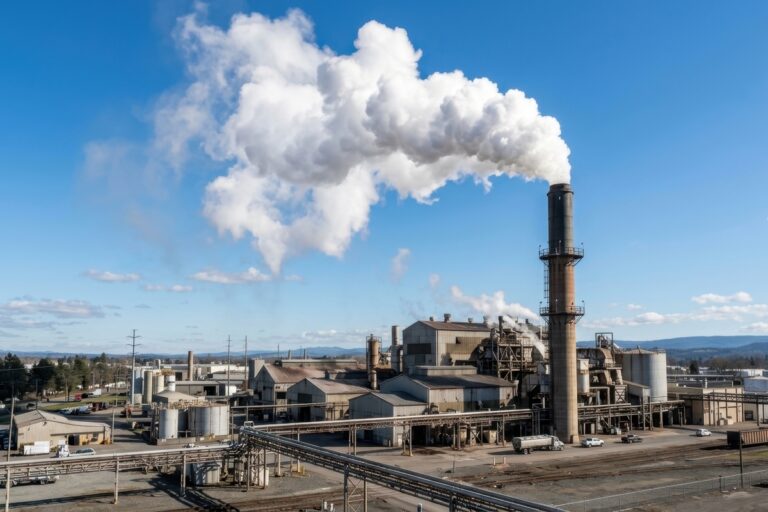
The scale of the issue explains why so much attention goes to farms. Food systems are responsible for around a third of human-caused greenhouse gas emissions, and agriculture consumes 69% of the world’s available fresh water.
Soil is the less visible problem. Agricultural soil erodes 10 to 20 times faster than it naturally forms under no-till farming, and more than 100 times faster under conventional ploughing. Southern Africa alone loses over a billion tonnes of soil every year to erosion. Soil that took centuries to build can disappear within a few generations.
What farmers are doing in the field
There is no single “sustainable” method. Instead, farmers combine practices that target specific problems:
- Soil: no-till seeding (planting without turning the soil over), keyline design to manage how water moves across the land, and windbreaks to limit erosion.
- Nutrients: rotating crops with nitrogen-fixing legumes such as peanuts or alfalfa, and relying on phosphate-solubilizing microorganisms and mycorrhizal fungi rather than inputs alone.
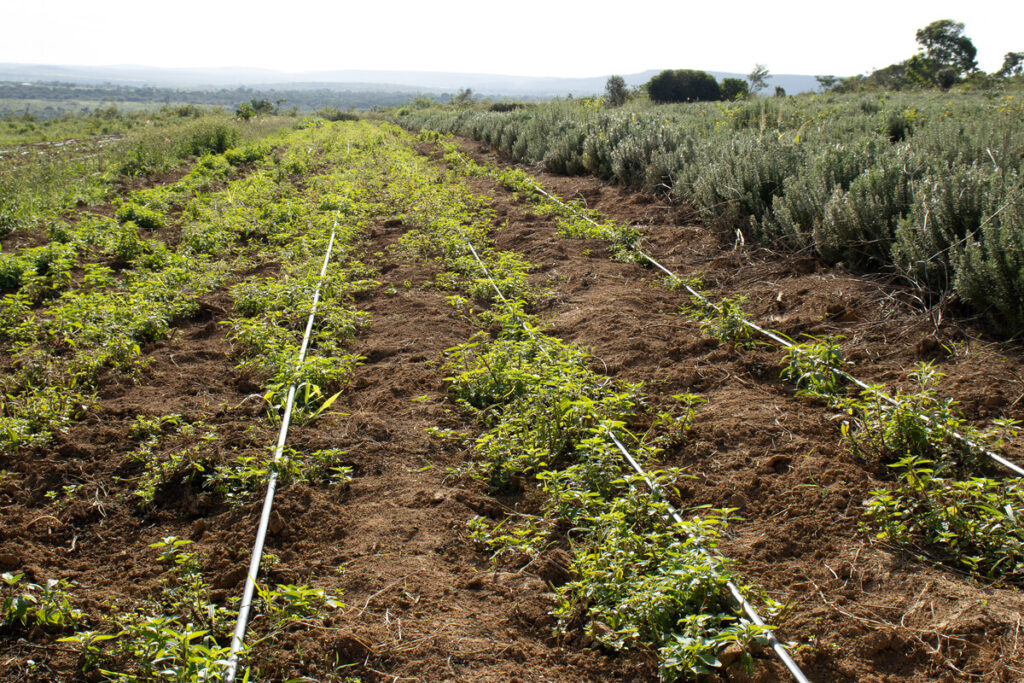
- Water: drip irrigation and drought-resistant crops. Irrigation systems guided by artificial intelligence can cut water use by up to 30%.
- Pests: crop rotation and biofumigation, which uses plants from the Brassicaceae (cabbage) family to suppress pests in the soil.
Diversity itself turns out to be a tool: growing a mix of crops can raise yields by 10 to 15% compared with monoculture.
Does it pay off? The wheat farm example
A common assumption is that greener farming means lower profits. One study comparing a sustainable wheat farm with a conventional one tells a different story. The sustainable farm had slightly lower gross yields, yet it generated 22.4% higher net returns once input costs were taken into account. Producing a little less per field does not automatically mean earning less.
The same logic applies at a larger scale. Investing in sustainable agriculture is estimated to be four times more cost-effective than direct food aid, yet the sector receives only 3% of global humanitarian funding.
Adoption is also wider than many people assume. A 2018 projection estimated that 163 million farms in 100 countries were already practising sustainable intensification, across 453 million hectares, or about 29% of the world’s farmland.
What people often get wrong
The first confusion is treating sustainable agriculture as another word for organic. Organic is only one of several labels, alongside Rainforest Alliance, Fair Trade, UTZ Certified, GlobalGAP, Bird Friendly and 4C, and each relies on different criteria. They are not interchangeable.
The second is expecting instant results. Many environmental benefits take time to show up in the soil or the water table, which is one of the reasons some farmers hesitate to switch.
Finally, even the best practices are not a cure-all. No-till farming reduces erosion compared with ploughing, but soil still erodes faster than it forms. And behind the techniques lies a genuine debate between “ecocentric” and “technocentric” views of sustainability, which disagree on what a sustainable farm should even look like.
A long tradition, still evolving
None of this is entirely new. In the early 20th century, George Washington Carver was already touring rural America with his “Jesup Wagon” to teach sustainable farming practices. What has changed is the toolkit, from AI-guided irrigation to a better understanding of soil life, and the growing evidence that caring for the land and running a viable farm can go together.