What is a drought, and why can the same dry spell be called four different things?
Drought is just drier-than-normal conditions, yet scientists describe four types. Here is how they differ and why the distinction matters.
Continue →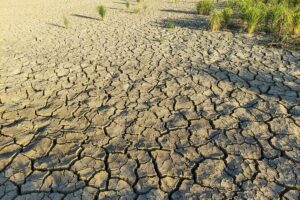
What is blue carbon, and why do mangroves store so much of it?
Mangroves, salt marshes and seagrass lock carbon in mud for centuries. Here's how blue carbon works, and where its limits are.
Continue →
What is the AMOC, and is the Gulf Stream really about to shut down?
The AMOC is a vast Atlantic conveyor belt of heat. Here is what scientists know about its slowdown, and what they still debate.
Continue →
Bleached coral isn’t dead coral, here’s what bleaching really means
Bleaching means a coral has lost its algae partners, not that it has died. Whether it recovers depends on how long the heat lasts.
Continue →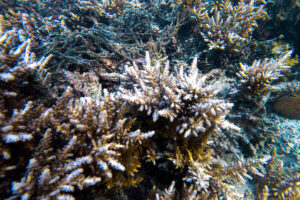
The polar vortex isn’t a winter storm, here’s what the term really means
The polar vortex is always there, spinning over the poles. What makes the news is the moment it weakens and cold air spills south.
Continue →
What is the Keeling Curve, and why does it zigzag every year?
A single line of CO2 data from a Hawaiian volcano has tracked the atmosphere since 1958, and its yearly zigzag has a simple explanation.
Continue →
What is El Niño, and does it have anything to do with climate change?
El Niño is a natural Pacific pattern, not a product of warming, but a hotter world may be loading the dice.
Continue →
Less land is burning worldwide, so why do wildfires seem to be getting worse?
The world's burned area has shrunk, yet extreme wildfires keep multiplying. Here's how drier air, longer seasons and fire suppression fit together.
Continue →
Why a shrinking glacier can bring more water before it brings less
A retreating glacier can send more water downstream at first. Here is why that surge is a warning sign, not good news, for the rivers it feeds.
Continue →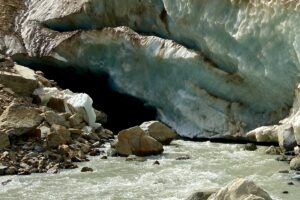
The ozone hole isn’t what’s warming the planet, here’s how the two are really linked
They often get lumped together, but the ozone hole and global warming are two different problems. Here's where they really meet.
Continue →