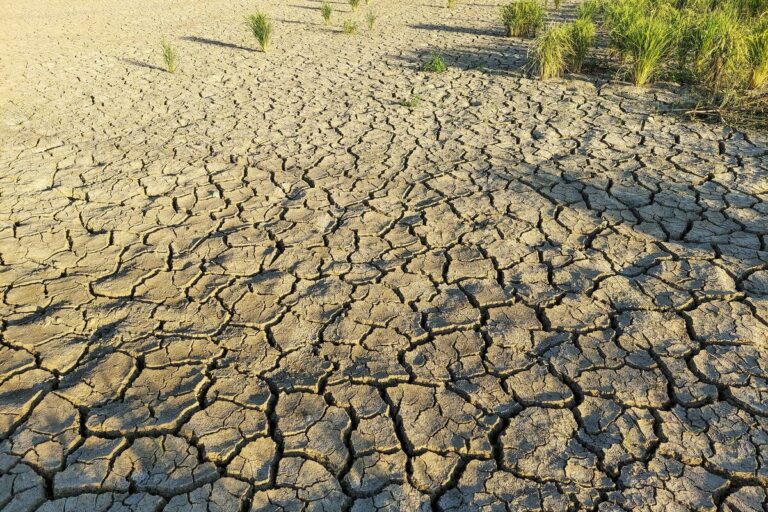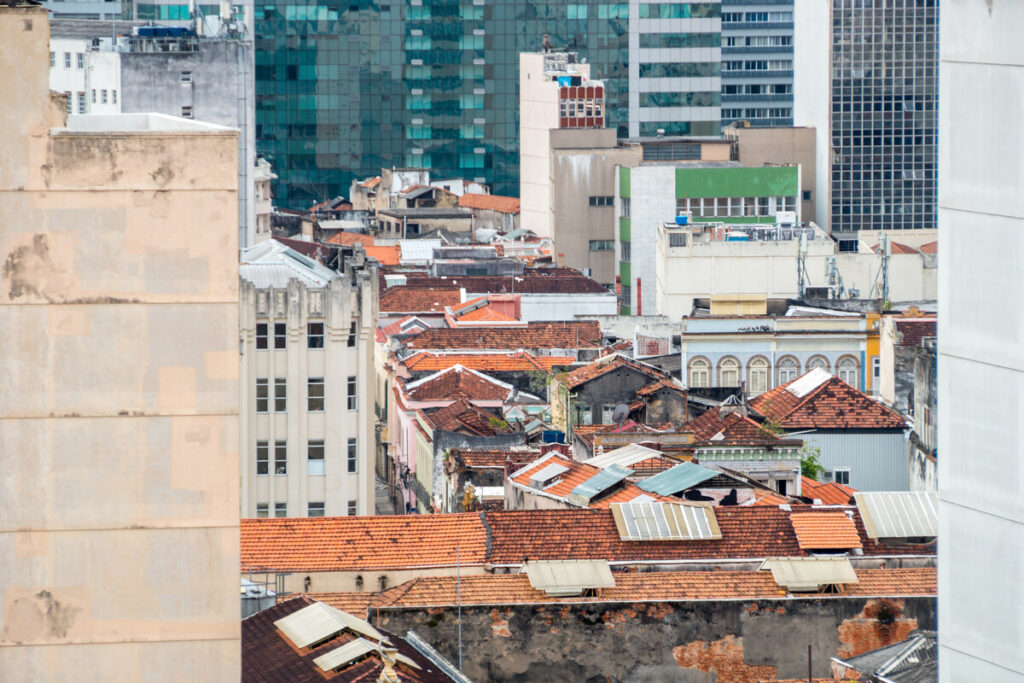
On a summer evening, the countryside starts to cool as soon as the sun goes down, while a city a few kilometres away can stay warm well into the night. This gap has a name, the urban heat island, and it explains a lot about how we experience heat waves today.
What an urban heat island actually is
An urban heat island is simply the relative warmth of a city compared with the rural areas around it. It is not caused by one single thing but by the way cities are built: heat-absorbing materials, street layouts that block the wind, fewer trees and less open water, and the waste heat produced by human activity.
The scale matters. Cities cover only about 0.5% of the Earth’s land surface, yet they are home to more than half of the world’s population. In other words, most people now live in the places where this effect is strongest.
Why the gap grows at night
During the day, asphalt and concrete soak up sunlight. These materials have a high heat capacity, and concrete can hold roughly 2,000 times the heat of an equal volume of air. Fields and forests behave differently: plants release moisture through evapotranspiration, which cools the air, and they provide shade.
After sunset, the city starts giving that stored heat back. Tall buildings block the wind and bounce radiation between their walls (the so-called urban canyon effect), and on calm nights a layer of warm air can stay trapped near the ground. Air conditioners add their own exhaust heat, which some researchers estimate can raise night-time temperatures by up to 1 °C.
That is why the difference is usually largest at night. In the United States, urban areas are typically 0.55 to 3.9 °C warmer than their surroundings during the day, and 1.1 to 2.8 °C warmer at night, when residents would normally get some relief from the heat.
An effect noticed more than 200 years ago
The phenomenon is not new. In the 1810s, the amateur meteorologist Luke Howard recorded that central London was about 2.1 °C warmer than the countryside at night, the first written description of an urban heat island.
Today, the gap between a city and its surroundings can reach about 5 °C. Nearly 40% of that difference has been attributed to dark roofs, with the rest coming from dark pavement and the lack of vegetation.
What helps cities cool down
The encouraging part is that the main causes are physical, so they can be changed. Several options have been studied:
- Cool roofs: a cool roof reflects at least 75% of sunlight, compared with 6 to 26% for a typical asphalt roof. Replacing dark roofing is often described as the cheapest option with the most immediate return.
- Trees: a 2024 analysis of 110 cities found that trees typically cool the air by about 1 to 2 °C during the day.
- Permeable pavement: it lets rainwater soak in and evaporate instead of running off hot surfaces.
A simulation of London’s 2018 heat wave by Oscar Brousse at UCL compared these approaches. Cool roofs lowered average outdoor temperatures for pedestrians by 1.2 °C (up to 2 °C in some places), compared with 0.3 °C for added tree cover and 0.5 °C for rooftop solar panels.
A few common misunderstandings
It is not the same thing as global warming
Climate change does not cause urban heat islands, but it amplifies them. The IPCC’s 2022 assessment notes that warming of 1.5 °C or 2 °C would strengthen the urban heat island in Asian cities. In the other direction, a 1999 comparison concluded that urban heat islands have little influence on global average temperature trends.
Lighter surfaces are not always better
Light-coloured concrete can reflect up to 50% more light than asphalt, but that reflected light has to go somewhere. Unless nearby buildings are designed for it, it can warm their walls and increase air-conditioning demand.
Not every city has the same heat island
The effect depends heavily on the local climate and landscape. Green roofs, for instance, insulate well in summer but may bring the biggest benefits in colder climates, where they also reduce heating needs in winter.
Looking ahead
Urban heat is also unevenly shared. A study of 108 US cities found that historically redlined neighbourhoods are on average 2.6 °C hotter than other areas, largely because they have fewer trees and more heat-absorbing surfaces. As more of the world moves to cities, choices as ordinary as the colour of a roof or the trees along a street are becoming part of how communities live with hotter summers.