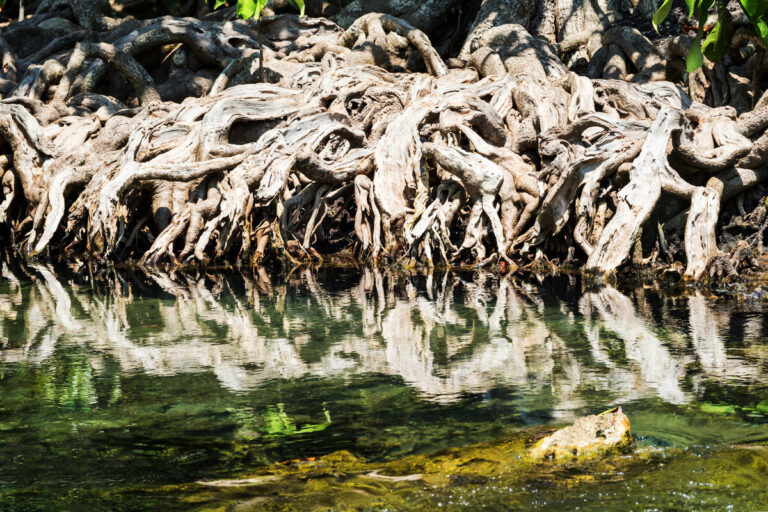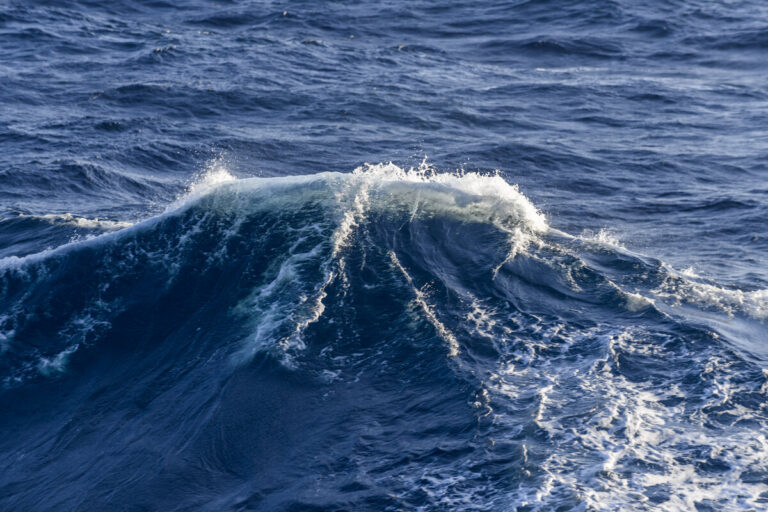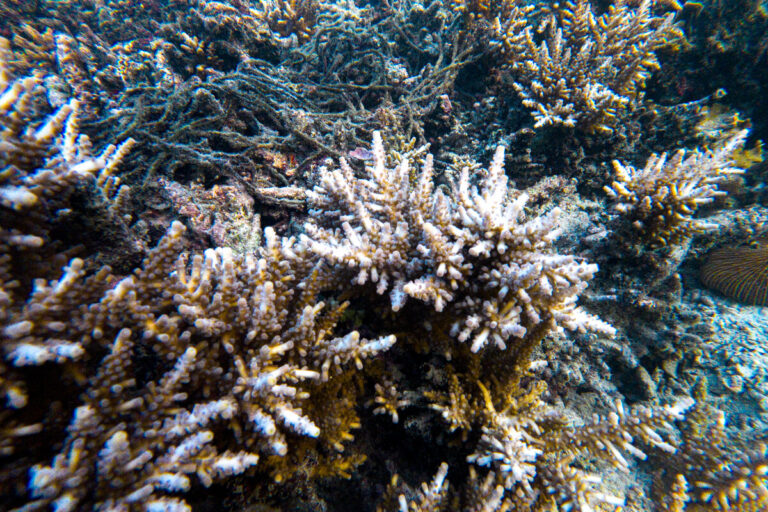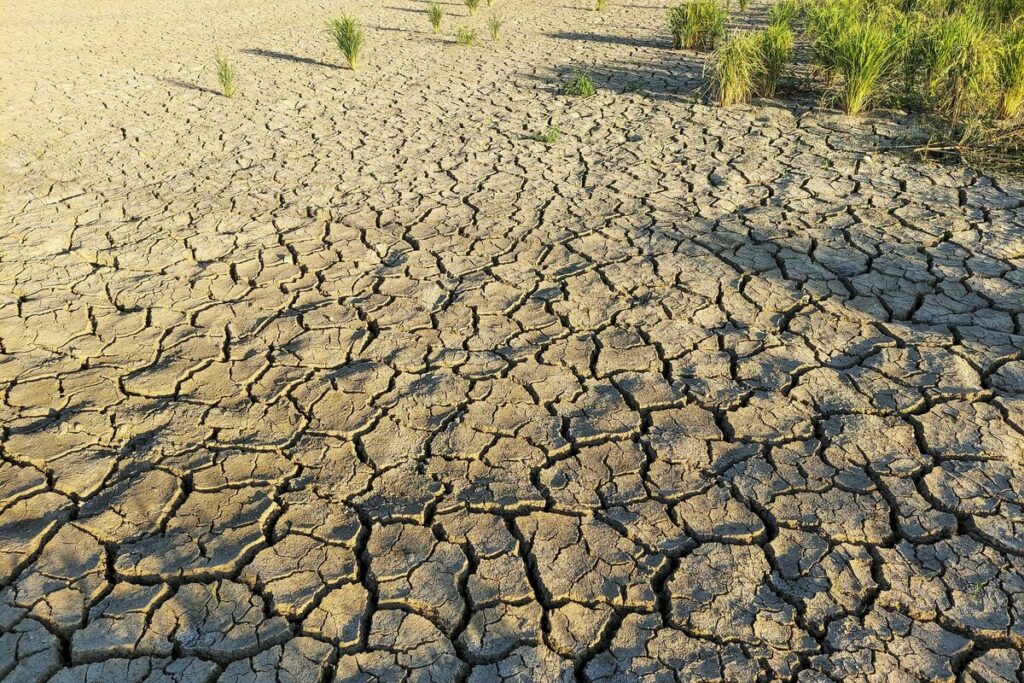
A drought is simply a period of drier-than-normal conditions, but where the shortage shows up (in the sky, in rivers, in soil or in the economy) decides which kind of drought it is.
One word, more than 150 definitions
It sounds like an easy idea, yet drought is surprisingly hard to pin down. By the early 1980s, over 150 definitions of the word had already been published, reflecting differences in regions, needs and scientific disciplines. The IPCC Sixth Assessment Report keeps it plain: drought means “drier than normal conditions”, a moisture deficit relative to the average water availability at a given place and season.
Duration is just as flexible. A drought can last days, months or years, and what counts as “dry” depends entirely on what is normal locally.
The four types, in the order they usually appear
- Meteorological drought: a prolonged stretch with less rain or snow than average. It usually comes first.
- Hydrological drought: rivers, lakes, reservoirs and aquifers fall below average. It tends to arrive more slowly, because it involves stored water that is used but not replenished.
- Agricultural or ecological drought: plants are stressed by a mix of evaporation and low soil moisture.
- Socioeconomic drought: demand for water outstrips supply after a weather-related shortfall. Some organisations add it as a fourth category, and it is close to the idea of water scarcity.
The categories have different causes but similar effects, and as a drought persists, conditions gradually worsen and the impact on local people grows.
A concrete example: when the rain is not the problem
Hydrological and agricultural droughts do not always need a rainfall shortage. Around 2007, Kazakhstan was awarded a large sum by the World Bank to restore water that had been diverted away from the Aral Sea under Soviet rule, and its largest lake, Balkhash, is at risk of drying out completely. In the same way, a farm can face an agricultural drought with normal rainfall if heavier irrigation or eroded soils leave crops short of water. Water management can make a drought better or worse.
How scientists measure it
Because no single number captures everything, researchers use several indices. The Palmer Drought Severity Index weighs precipitation and temperature in a simple water balance model. The Standardized Precipitation Index, recommended by the World Meteorological Organization, uses precipitation alone, which makes it easy to apply in many climates. The SPEI goes a step further by also counting evaporative demand, and vegetation indices track how plants are actually coping. Using several indices and datasets together gives a better picture than relying on one, especially in Africa and South America, where data is scarcer.
What drives droughts, and what climate change adds
Persistent high-pressure systems, continental air masses and a strong tropical dry season can all suppress rainfall. The El Niño and La Niña patterns matter too: La Niña is generally linked to drier, hotter conditions in California and the south-western United States, while El Niño tends to bring drier weather to parts of the Amazon basin, Central America, southern Africa and Southeast Asia. Singapore, for instance, recorded its driest February since 1869 in 2014, with just 6.3 mm of rain.
Warming adds another layer. According to the IPCC, “warming over land drives an increase in atmospheric evaporative demand and in the severity of drought events”. Hotter air pulls more water out of soil and plants even when rainfall barely changes, which is why heat waves can worsen a drought and feed wildfire risk. Land use change, over-farming and deforestation can reduce the land’s ability to hold water as well.
Why the label matters
The impacts are environmental, economic and social. The Food and Agriculture Organization of the United Nations has calculated that droughts caused US$278 billion of damage between 1991 and 2023, through lost crops, lower hydropower output, disrupted river transport and strained water supplies. Recent examples include the 2005 drought in parts of the Amazon basin, described as the worst in 100 years, and the 2020 to 2022 Horn of Africa drought, which surpassed the severe 2010 to 2011 one in both duration and severity.
The takeaway
Drought is less a single event than a family of water shortfalls that unfold at different speeds. Knowing which type is in play, whether it is missing rain, depleted reservoirs, thirsty crops or unmet demand, helps explain why a region can be officially “in drought” while the weather looks perfectly ordinary.