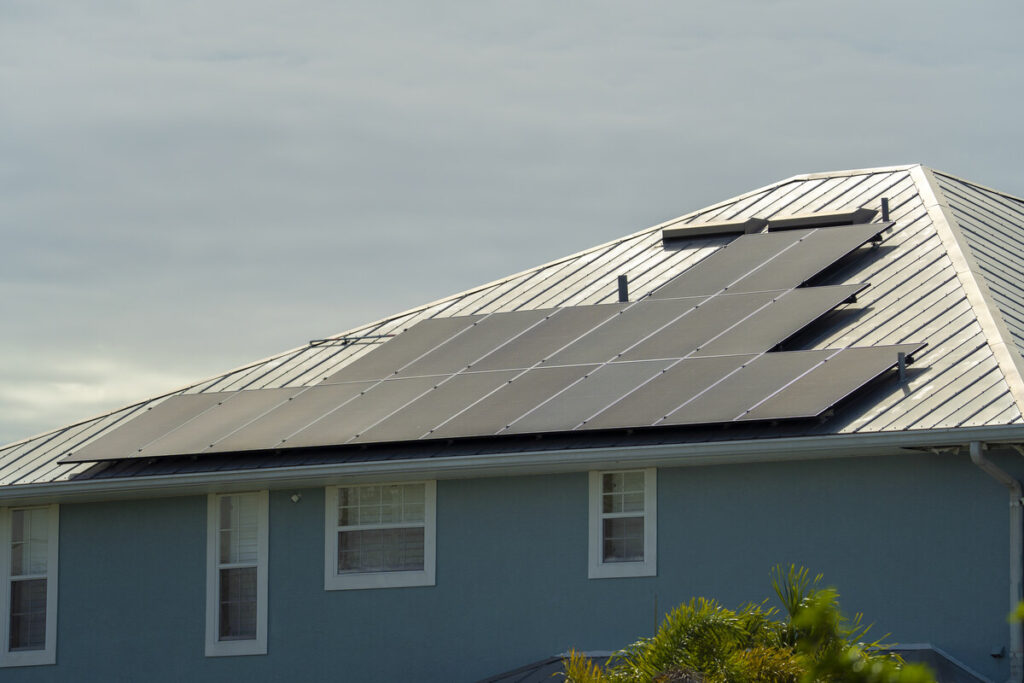
Solar power used to be a niche investment for a handful of eco-conscious homeowners. Today, it is one of the fastest ways ordinary households are cutting both their carbon footprint and their electricity bills.
Rooftop solar panels convert sunlight directly into electricity through photovoltaic cells, feeding your home first and sending any surplus back to the grid. Understanding the basics helps separate genuine savings from marketing hype.
How rooftop solar actually works
Each panel is made of silicon cells that generate direct current (DC) electricity when sunlight hits them. An inverter then converts that DC power into the alternating current (AC) your appliances use. Any extra energy your system produces during sunny hours can be stored in a battery or exported to the grid, often earning you credit through net metering.
What it means for your carbon footprint
A typical residential solar system can offset several tons of CO2 emissions every year, roughly equivalent to taking a car off the road. “Rooftop solar remains one of the few home upgrades that pays for itself while directly cutting emissions,” is a common refrain among energy researchers, and the data backs it up.
Key benefits at a glance
- Lower monthly electricity bills over the system’s lifetime
- Reduced dependence on fossil-fuel electricity
- Increased home resale value in many markets
- Possible tax credits or rebates depending on your location
Is it worth it for your home?
The payback period depends on your local electricity rates, available sunlight, and upfront incentives. For most households in sunny regions, panels pay for themselves within seven to ten years, then continue producing nearly free electricity for another decade or more.