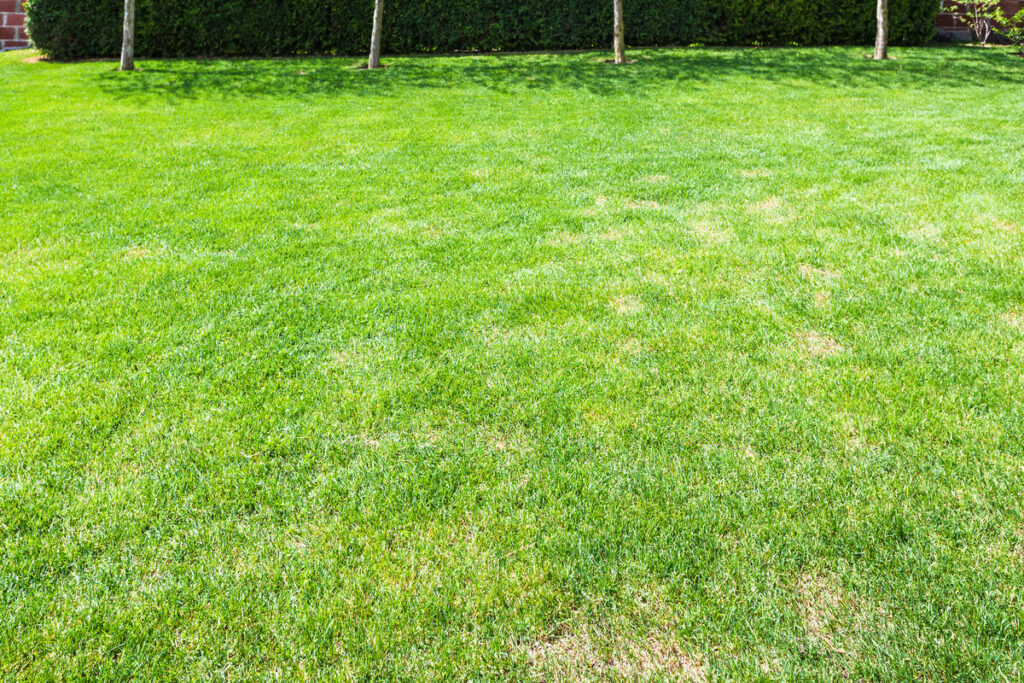
The lawn has a bad reputation among environmental writers, but the evidence is more mixed than the slogans suggest. What matters most is not whether a yard has grass, but how much it is fed, watered and mowed.
Where the modern lawn came from
The lawn as we know it is a surprisingly recent habit. After World War II, a surplus of synthetic nitrogen in the United States led chemical firms to look for new customers, and the suburban yard was an obvious one. In 1955, DuPont released Uramite, a slow-release nitrogen fertilizer made specifically for lawns. Around the same time, Levittown, New York, was built with a lawn at every house: between 1947 and 1951, Abraham Levitt and his sons built more than seventeen thousand homes. Levitt himself wrote “No single feature of a suburban residential community contributes as much to the charm and beauty of the individual home and the locality as well-kept lawns.”
Why lawns get criticized
Four concerns come up again and again:
- Water. In the United States, 50 to 70% of residential water goes to landscaping, most of it to lawns. A 2005 NASA study conservatively estimated 128,000 square kilometres of irrigated lawn, about three times the area of irrigated corn.
- Chemicals. On average, more fertilizer, herbicide and pesticide is used on a given area of lawn than on the same area of cultivated farmland. The US Environmental Protection Agency estimated in 2012 that nearly 32 million kilograms of active pesticide ingredients were used on suburban lawns each year.
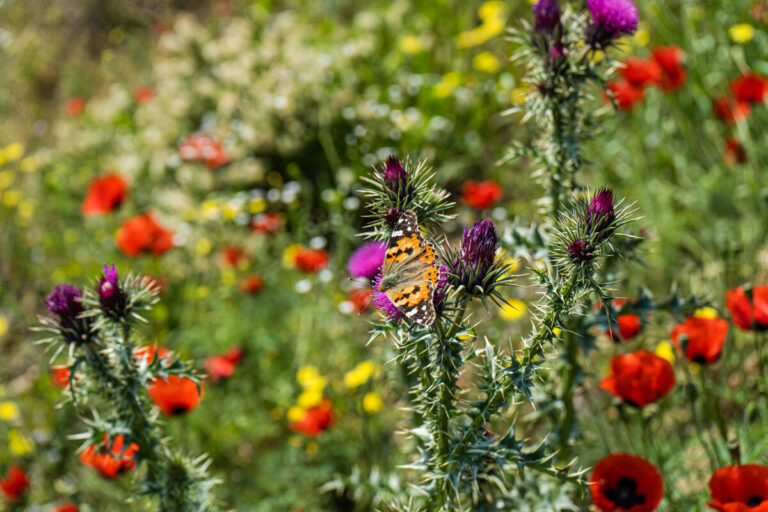
- Biodiversity. A large, uniform lawn often replaces plants that feed pollinators, so bees and butterflies have to cross “wastelands” to find food.
- Mowing. The EPA found that in some urban areas, up to 5% of smog came from small gasoline engines made before 1997, the kind used in older lawn mowers.
What the carbon evidence really says
Here the picture is less clear than many people expect. A 2010 study seemed to show that the inputs of lawn care were balanced by the carbon that lawns store, which means lawns may not contribute to global warming at all. But other findings point to a catch: lawns with high maintenance (mowing, irrigation and leaf blowing) and high fertilization rates have a net emission of carbon dioxide and nitrous oxide, both with large warming potential. Lawns that are fertilized, irrigated and mowed every week also tend to have lower species diversity.
A brown lawn is not a dead lawn
Some of this water use comes from appearances rather than need. Grass typically goes dormant when it is too hot or too cold, and dormancy reduces its water demand. Most grasses recover quite well from drought, yet many owners see the brown colour and water more. In the temperate British Isles, natural rainfall is usually enough to keep a lawn healthy. Elsewhere the numbers can be large: Australian data from 1995 showed that up to 90% of the water used in Canberra during summer drought periods went to watering lawns.
Lower-effort options, from small tweaks to a full swap
You do not have to choose between a perfect lawn and no lawn. Experts advise that a healthy lawn contains at least some “weeds” and insects, which means less need for chemicals. In the United Kingdom, the group Plantlife has encouraged gardeners not to mow in May, to give insects nectar and let more plant species grow. A rough lawn only needs occasional cutting.
For areas that are hard to grow or hard to mow, the alternatives include:
- meadows and “meadowscaping” (mixed flowering plants instead of turf)
- drought-tolerant xeriscape gardens
- native plant habitat gardens and butterfly gardens
- rain gardens and kitchen gardens
- low-maintenance groundcovers, perennials, trees and shrubs
Where rules are changing
Some governments have gone further than advice. In 2022 the US state of Nevada banned the installation of new lawns and ordered the removal of “nonfunctional” ones after a years-long drought.
The takeaway
A lawn is neither a villain nor a neutral backdrop. It is a managed plant community, and its footprint depends on water, fertilizer, pesticides and mowing frequency. Even lawns have a practical upside: in Australia, they remain popular partly because they reduce the use of water-impervious surfaces such as concrete. For most households, the biggest gains come from the routine, not from ripping up the grass: water less, mow less often, skip unneeded chemicals, and leave a patch to grow wild.