In most places, putting out one bag of rubbish or five costs a household exactly the same. Pay-as-you-throw flips that logic: the more you throw away, the more you pay. It sounds like a simple fee, but it has quietly reshaped how thousands of towns handle waste. Here is how it works, what the results actually look like, and where it runs into trouble.
What pay-as-you-throw means
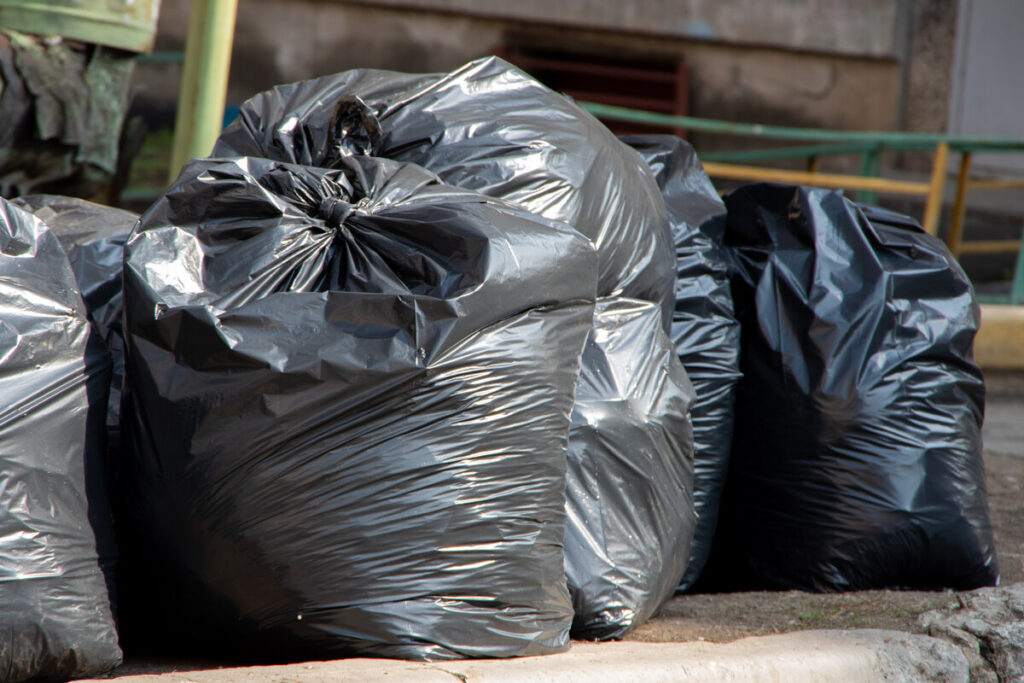
Pay-as-you-throw, often shortened to PAYT, is a way of pricing household waste collection based on how much each home sets out. It also goes by names like unit pricing, variable rate pricing or trash metering. Instead of hiding the cost of rubbish inside a general tax bill, the town charges for it a bit like electricity or water: you pay for what you use.
Waste can be measured in several ways: by weight, by the size of the bin, or by counting units such as official bags, tags or stickers. Some systems use RFID chips on bins to log every collection. In many programs, recycling and compost are collected for free, which is the whole point.
How the incentive works
Most schemes fall into one of three families:
- Full-unit pricing: every bag is prepaid, through a special bag, a tag or the size of bin a household chooses.
- Partial-unit pricing: a set number of bags is covered by local taxes, and anything beyond that has to be bought.
- Variable-rate pricing: households rent bins of different sizes, with some programs offering up to five.
Whatever the format, the mechanism is the same. When the general rubbish bin costs money and the recycling bin does not, sorting becomes the cheaper option. It nudges behaviour toward the top of the waste hierarchy, toward prevention and recycling rather than disposal, much like a bottle deposit turns an empty can into something worth returning.
There is also a fairness argument. Costs are shared in proportion to the waste each household generates, and lower-income households, which tend to produce less waste, end up paying less.
What the numbers show
The idea is older than it seems. Austria introduced individual waste charging in 1945, San Francisco has practised a form of it since 1932, and several US states were running programs by the 1970s. By 2000, around 6,000 US communities (20%) and 200 Canadian ones charged user fees.
In North America, PAYT programs have cut residential waste by 9 to 38% and raised recycling by 6 to 40%. Some city results stand out:
- Taipei requires households and businesses to buy specially printed blue bags, and only waste in those bags is collected. Recyclable packaging needs no bag and is picked up for free. Since 1999, waste volume has fallen by 35.08% and recycling has risen 2.6-fold.
- Ferrara, in Italy, cut overall waste by 30%, increased recycling by 40% and saved about €3.6 million.
- In Japan, 954 municipalities, about 30% of the total, have adopted the approach since the 1970s.
Where it gets complicated
Some rubbish just moves elsewhere
The most common side effect is illegal dumping, known in the UK as fly-tipping. Studies have linked unit pricing to people dumping waste or using unlicensed disposal to avoid the fee. In Massachusetts, rubbish volumes fell by more than recycling rose, a gap believed to come partly from residents taking their waste to neighbouring towns. A drop in collected waste is not always a drop in waste.
It can feel like a new tax
Public resistance is common whenever a familiar service changes. The Massachusetts environmental department recommends keeping PAYT revenue-neutral, cutting local taxes when the fees are introduced so households are not paying twice. Theft of bins, tags or stickers is another practical headache for some systems.
The design matters as much as the price
Voluntary schemes with no real follow-up tend to have a limited effect, as seen in a rural program launched in China in 2018. The programs with the strongest results combine a clear price signal with an easy, free alternative for recycling and compost.
A small price signal with a big reach
Pay-as-you-throw is not a miracle fix, and it works best alongside good recycling services and measures against dumping. But it shows something useful: when the real cost of throwing things away becomes visible, many households find ways to throw away less. It now runs in places as different as Japan, Korea, Thailand, Vietnam, Italy and Germany, each adapting the same simple principle to local habits.