Composting turns kitchen scraps and yard waste into nutrient-rich soil instead of methane-producing landfill mass — and it is far easier to start than most people think.
At its core, composting is simply controlled decomposition: microorganisms break down organic matter into a dark, crumbly material called humus that can feed gardens, houseplants, and lawns.
Why composting matters for sustainability
When food scraps end up in a landfill, they decompose without oxygen and release methane, a greenhouse gas far more potent than carbon dioxide over a 20-year period. Composting at home diverts that waste and turns it into something useful instead of harmful.
What you can (and can’t) compost
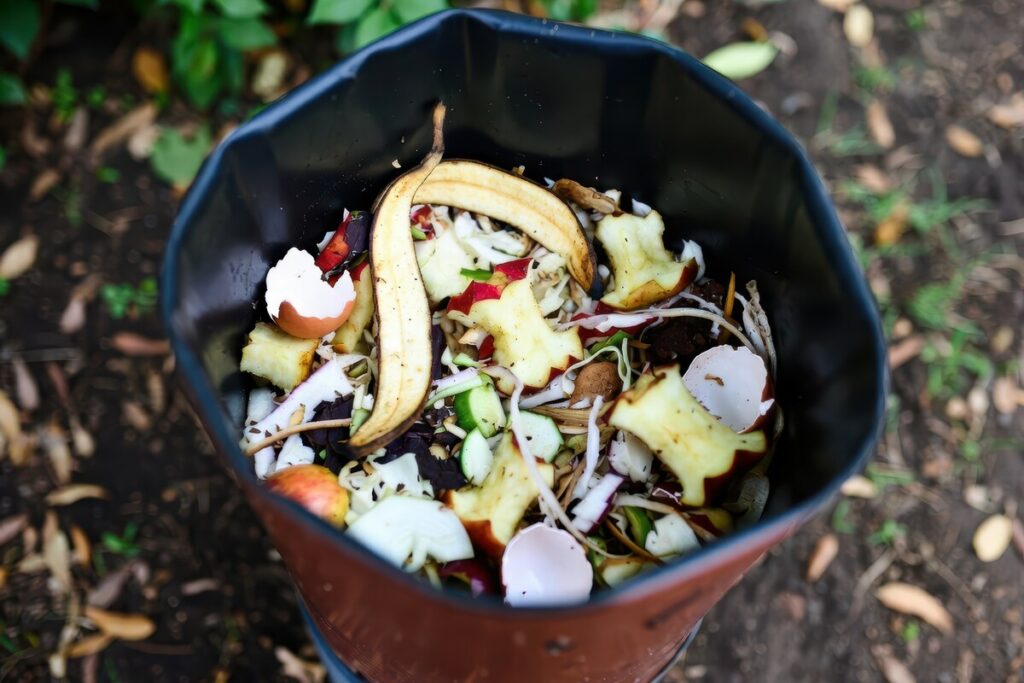
- Fruit and vegetable scraps
- Coffee grounds and tea bags (paper only)
- Eggshells and yard trimmings
- Cardboard and shredded paper in moderation
Avoid meat, dairy, and oily foods in a basic backyard bin — they attract pests and slow the process down.
Getting started with a small space
You do not need a backyard to compost. Countertop bins, worm composting (vermicomposting), and municipal collection programs make it possible for apartment dwellers to participate too. “The biggest myth about composting is that it requires a big yard and constant attention,” is a point many urban gardening educators make when introducing beginners to the practice.
A simple starter routine
Start small: a countertop bin for scraps, emptied every few days into a larger outdoor pile or a municipal green bin. Turn the pile occasionally for airflow, keep it slightly moist, and within a few months you will have usable compost for your garden beds.