When people picture microplastics, they usually imagine a plastic bottle slowly crumbling on a beach. That does happen, but it is only part of the story. A large share of these tiny particles never starts life as litter at all: it comes off our tyres, our washing machines and even the containers we drink from.
What counts as a microplastic
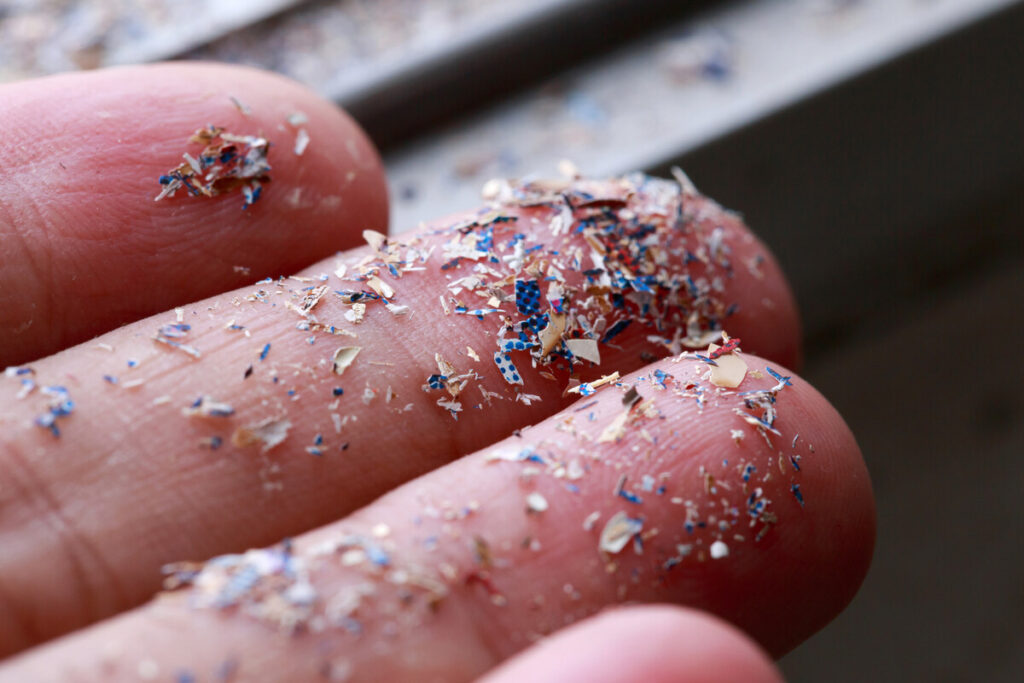
Microplastics are solid synthetic particles between 1 micrometre and 5 millimetres in size that do not dissolve in water. The term is widely attributed to a 2004 paper by marine biologist Richard Thompson of the University of Plymouth, although it was already in use in the early 1990s.
Scientists split them into two families. Primary microplastics are already tiny when they enter the environment: microbeads in face scrubs, plastic glitter, fibres from clothing and the small industrial pellets known as nurdles. Secondary microplastics form when larger items, such as bottles, fishing nets or bags, break down under sunlight, wind and waves. Below 1 micrometre, the fragments are called nanoplastics and can no longer be seen with the naked eye.
The everyday sources most people overlook
The litter picture is real. In 2014, researchers estimated that the oceans held between 15 and 51 trillion pieces of microplastic. But some of the largest sources are things we use normally, without anything being thrown away.
Car and truck tyres
Tyres are partly made of synthetic rubber, and every kilometre driven wears a little of it into dust. Estimates put tyre wear emissions at between 0.23 and 4.7 kg per person per year, with a global average of about 0.81 kg per person every year. In Denmark, one assessment found that sources like tyres and footwear released around a hundred times more microplastics than manufactured micro-particles such as microbeads. Tyre wear is also estimated to make up 3 to 7% of fine particulate matter (PM2.5) in the air.
The laundry basket
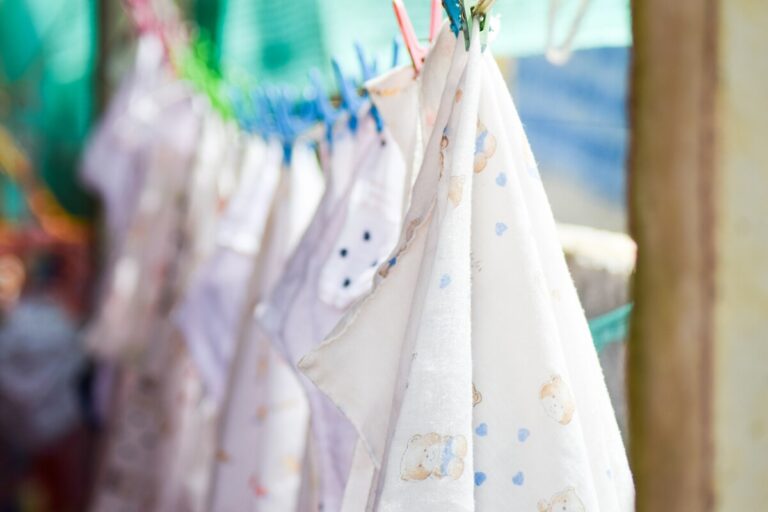
Synthetic fabrics such as polyester, nylon and acrylic shed fibres every time they are washed. A typical 6 kg wash load can release more than 700,000 fibres, with fleece garments among the biggest shedders. How much comes off depends on the fabric, the water temperature, the intensity of the cycle and how worn the clothes are.
Bottles and containers
In one study, 93% of bottled water samples from 11 brands contained microplastics, with an average of 325 particles per litre, roughly twice the level found in tap water. Part of that likely comes from the bottling process itself.
What about microbeads
Microbeads became the symbol of the problem, and their story shows that targeted rules can work. Illinois became the first US state to ban them in cosmetics in 2014, the federal Microbead-Free Waters Act followed in December 2015, and England introduced its own ban in 2017. In the European Union, a broader restriction on synthetic polymer microparticles entered into force on 17 October 2023, with transition periods that run as late as 2031 for the rubber infill used on artificial sports pitches.
Because tyres and textiles are harder to regulate than a face scrub, the EU’s Circular Economy Action Plan lists them as areas where policies to reduce microplastic release still need to be examined.
A few common misunderstandings
Wastewater treatment does not make them vanish
Treatment plants catch between 95 and 99.9% of microbeads. That sounds close to perfect, but the captured particles end up in sewage sludge, which is often spread on farmland as fertiliser, so some of them return to soils and waterways.
The health picture is still being worked out
Microplastics have been found throughout the human body, and lab studies link them to inflammation and oxidative stress. Yet several high-profile measurements have been contested, because fats in human tissue can be mistaken for certain plastics and coatings from lab gloves can contaminate samples. The UK’s Committee on the Medical Effects of Air Pollutants noted that many studies use new particles at far higher concentrations than people actually encounter, and concluded there was not yet enough evidence to assess the risk of airborne microplastics.
Ocean clean-up machines are not the main fix
The best-known project, The Ocean Cleanup, has been dismissed by almost all microplastics experts as unlikely to make a difference to this problem, partly because it targets pieces larger than 2 cm and only the top 3 metres of water.
Where this leaves us
Seeing microplastics as something that comes from everyday use, not just from litter, changes where solutions can come from: washing machine filters, policies on tyre and textile wear, and rules that follow the example set for microbeads. It also connects to related questions, such as what biodegradable plastic labels really mean and what really happens when clothes are recycled.