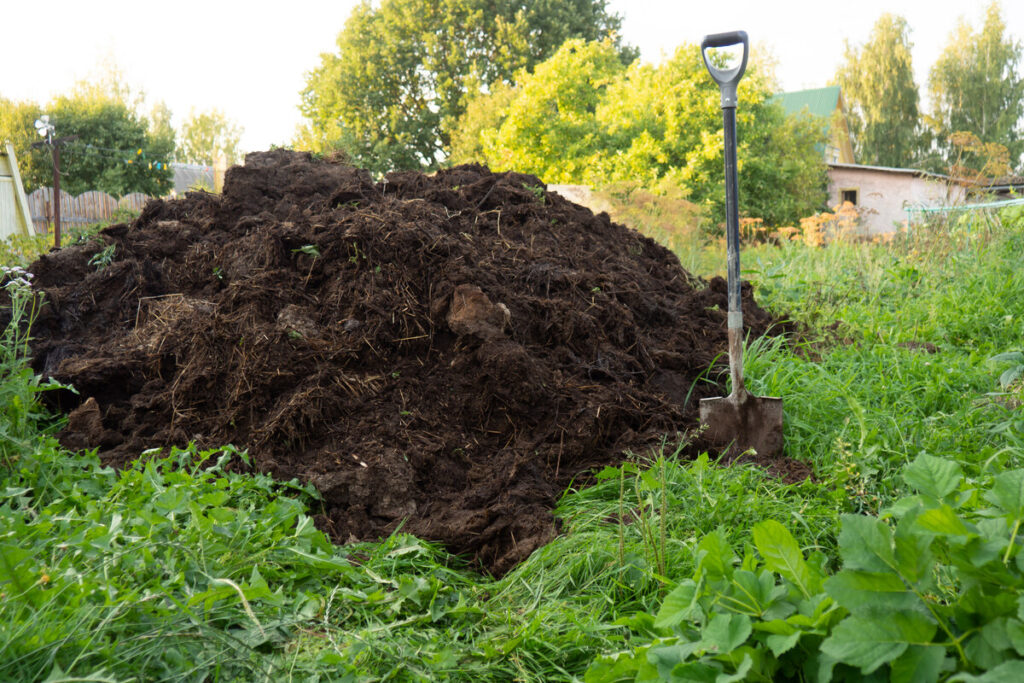
Two compost piles can start with the same kitchen scraps and garden trimmings, yet one turns into finished compost in less than three weeks while the other takes up to a year. The difference is not luck or a secret ingredient: it comes down to heat, and to the conditions that let microorganisms produce it.
Two routes to the same result
Compost is the product of decomposed plant waste, food scraps and manure, used as a fertilizer and to improve the physical, chemical and biological properties of soil. Hot and cold composting both end with that same dark, earthy material. What separates them is speed, and the temperature the pile reaches along the way.
Cold composting is the slower, lower-temperature route, and it can take up to a year to deliver usable compost. Hot composting is managed so that the pile heats up and stays hot. An active hot pile reaches temperatures of 54 to 71 °C (roughly 130 to 160 °F), and the Berkeley hot composting method can produce finished compost in about 18 days.
Where the heat actually comes from
A compost pile does not warm up by itself: the heat is released by microorganisms as they break down organic matter. Composting ideally moves through four phases. It starts with a mesophilic phase of two to eight days at moderate temperatures. Next comes the thermophilic phase, at around 50 to 60 °C, when heat-loving bacteria actively decompose the material. The pile then cools in a second mesophilic phase, before a final maturation phase in which the temperature keeps dropping as high-energy compounds run out.
Bacteria are the most abundant chemical decomposers. Actinomycetota break down paper and bark and give finished compost its familiar earthy smell, while fungi tackle the cellulose and lignin in woody material. Earthworms, ants, beetle larvae and springtails handle the physical work, breaking material into smaller pieces and aerating the pile as they go.
To keep this process running at full speed, four ingredients matter equally: carbon from dry “browns”, nitrogen from moist “greens”, oxygen and water. Aerobic bacteria need oxygen levels above 5%. The ideal carbon-to-nitrogen ratio is around 25:1, which is why the mix matters: fresh grass clippings sit close to 15:1, while dry fallen leaves are around 50:1. A pile made almost entirely of one or the other drifts away from that balance, while combining the two brings it closer.
A concrete example: why pile size matters
One of the simplest factors is also one of the most overlooked. A compost pile smaller than about 1 cubic meter (35 cubic feet) tends not to reach or hold high temperatures, which slows the whole process considerably. In practice, a small bin tucked into the corner of a garden is likely to behave more like a cold pile, even with a good mix of greens and browns.
That is not a failure. The scraps still become compost; they simply take months rather than weeks. Choosing between the two approaches is largely a question of how quickly the compost is needed and how much room there is for a larger pile.
Common misunderstandings about compost
Heat is not only about speed. Pathogens are destroyed at temperatures between 50 and 70 °C, a range that hot piles reach and cooler piles may not. This matters most for manure and human waste, sometimes called “humanure”. The idea that composting them is safe simply because it is natural does not hold up: without a sufficient processing time, from two weeks to six months depending on the case, there is a real risk of spreading pathogens.
Composting is also not one single technique. Beyond the classic backyard heap, there are windrows, enclosed in-vessel systems, aerated static piles, vermicomposting with worms, bokashi and anaerobic digestion, each with its own mechanism and timeline. Bokashi in particular is often lumped in with composting, but it is a fermentation process rather than decomposition.
An ancient practice with a modern role
Composting is far from new. It is mentioned as early as 160 BC in Cato the Elder’s De Agri Cultura, and the first industrial plant turning urban waste into compost opened in Wels, Austria, in 1921. Today, food and other compostable materials make up around 20% of the waste sent to landfill, where they break down without enough oxygen and release methane. Composting keeps that material out of anaerobic conditions, which is one reason cities such as Seattle and San Francisco require residents to separate food and yard waste for composting.
Hot or cold, a well-managed pile does the same basic job: it turns everyday scraps back into something soil can use. The heat simply decides how fast that happens.