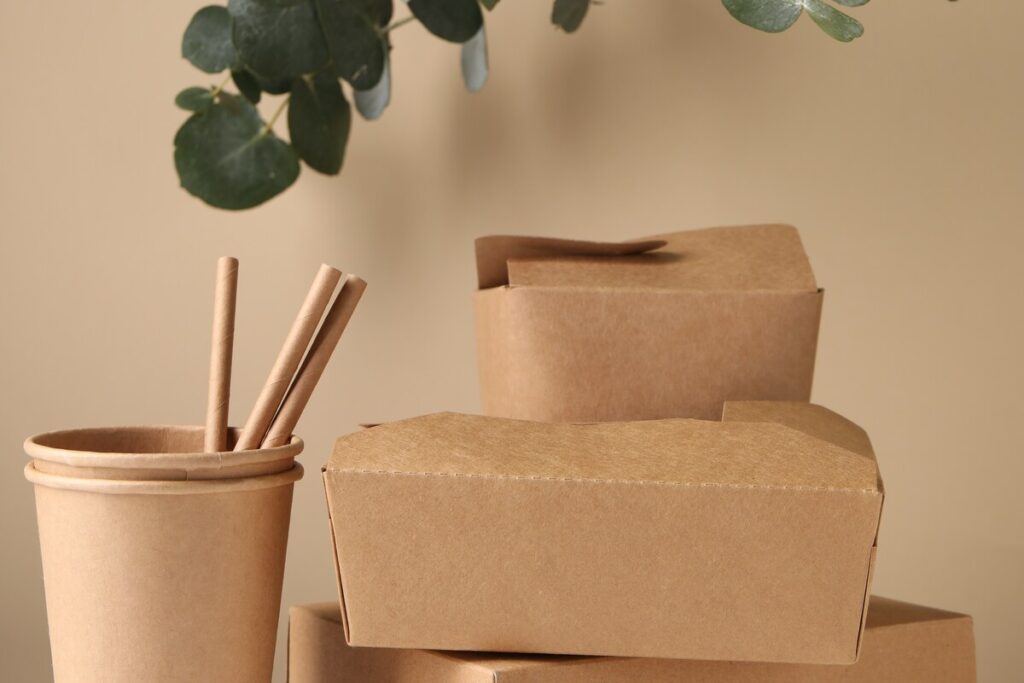
Walk down any supermarket aisle and you will see words like “eco-friendly” printed on boxes, bags and bottles. Yet sustainable packaging is not a single material or a label. It is a way of designing packaging around its whole life, from the raw materials it is made from to what happens once it is thrown away.
A definition built on three goals
Sustainable packaging tries to meet three objectives at the same time. First, it has to be functional: it must protect the product, keep it safe and comply with regulations. Second, it has to be cost-effective, because a package that is too expensive will never be adopted in practice. Third, it has to support human and ecological health over the long term.
That balance is what makes the term trickier than it looks. A package that is easy to recycle but fails to protect what is inside does not really meet the definition, because the product it was supposed to safeguard may end up wasted.
How the impact is actually measured
Rather than judging a package by its material alone, sustainable packaging relies on two tools: life cycle inventory (LCI) and life cycle assessment (LCA). Together, they look at the environmental footprint across the entire supply chain.
In practice, the impacts of a package come from three stages: sourcing the raw materials, producing the polymer or the packaging itself, and treating it at the end of its life. A material that looks virtuous at one stage can carry a heavy burden at another, which is why the whole chain matters.
The design criteria go well beyond recyclability. They include using less material, energy efficiency, recycled content, reusability, renewable or biodegradable materials, avoiding toxic substances, effects on the ozone layer and greenhouse gases, water use, and even the impact on workers. In 2013, the ISO 18601 to 18606 series of standards was published to frame this work, covering general requirements, optimisation of the packaging system, reuse, material recycling, energy recovery and organic recycling.
Why protecting food is part of the equation
One figure explains why the “functional” goal sits at the top of the list: one third of the food intended for human consumption is lost because of inadequate packaging.
Picture a food manufacturer replacing a poorly suited wrapper with one that offers a better barrier against oxygen. By doing so, it tackles one of the causes of that avoidable loss. This is also why the protective role of packaging counts as a sustainability criterion in its own right, not just a practical detail.
The new materials being explored
Researchers and manufacturers are testing a range of alternatives to conventional packaging:
- Molded pulp, made from recycled newspaper or straw
- Polysaccharides such as cellulose, chitosan and starch, used for films and coatings
- Plant protein films, a biodegradable option inspired by the strength of spider silk
- Dairy-based films made from casein and whey proteins, which are biodegradable and provide better oxygen barriers than some synthetic films
These innovations do not reach shelves overnight. A new form of packaging can take up to two years to be approved for public safety, which partly explains why change in this field feels slow.
Common misconceptions about green packaging
The most frequent one is that sustainable packaging simply means recycled plastic. Recycled content is only one criterion among many, alongside energy, toxicity, water use and biodegradability.
Another is assuming that every “green” claim on a box has been checked. In the United States, the Federal Trade Commission publishes guidelines on environmental marketing claims precisely to prevent greenwashing, a sign that such claims are not always as solid as they appear.
Finally, some sustainability advocates argue that today’s improvements remain incremental steps rather than a transformative shift. In their view, real progress would also require deep cuts in energy use and in the number of products that need packaging at all.
A broader way to read the label
Sustainable packaging is less a material than a set of trade-offs: protecting the product, keeping costs realistic and limiting the footprint from start to finish. Knowing that makes it easier to read an “eco” label with a little more perspective, and to appreciate why the best package is not always the one that looks the most natural.